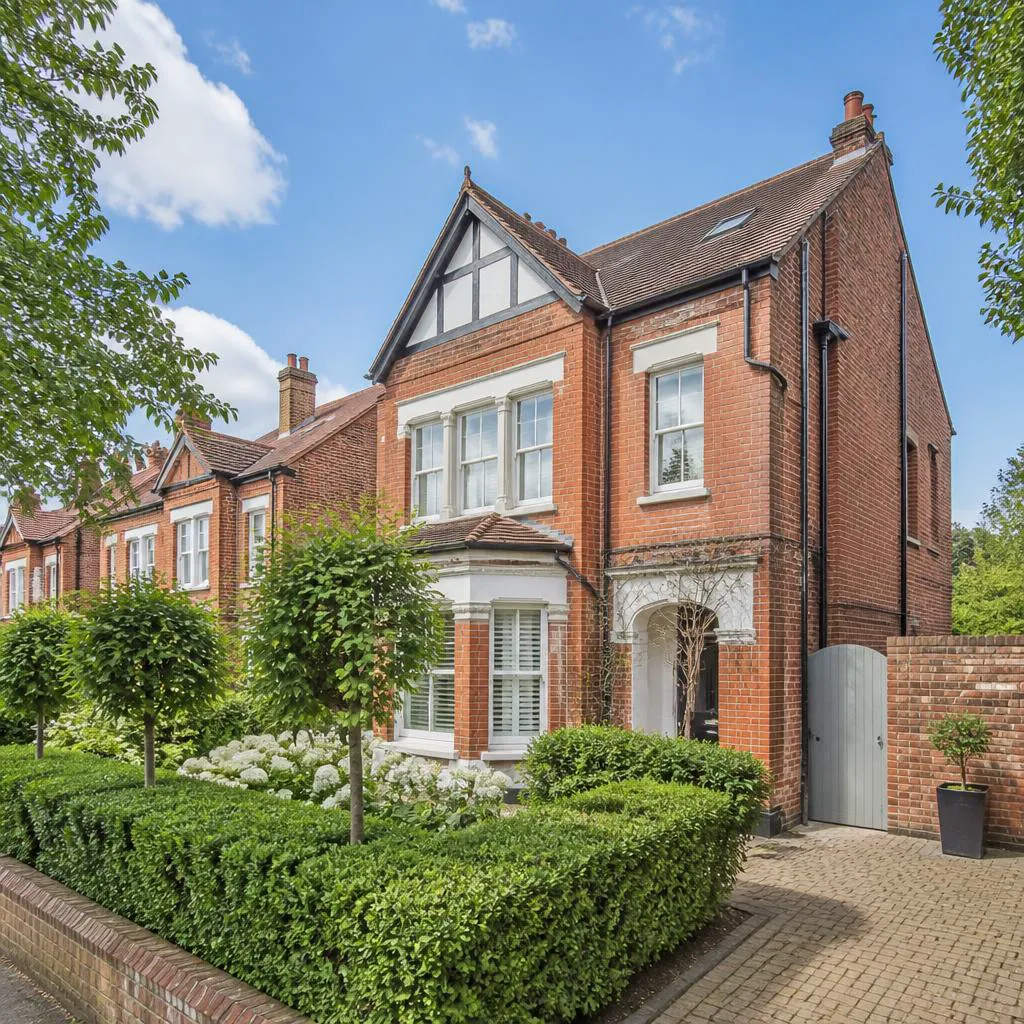
A good shortlist is not a collection of the prettiest photographs. It is a small set of homes that meet your needs, fit your finances and deserve further investigation. When searching for property in UK for sale, the challenge is often deciding what to ignore. This guide gives you a repeatable way to read listings, compare value and prepare for viewings. It is designed for buyers who want to move from browsing to useful conversations without being pushed into a purchase.
1. Give your shortlist a clear purpose
Start by defining the decision you need to make. Are you choosing between areas, between a flat and a house, or between buying now and saving longer? Each question calls for a different shortlist. If you compare everything at once, attractive details can hide major differences. Write one sentence that describes the home you need, then use it to decide which listings deserve your attention.
Begin with the Property in UK website and establish a comfortable price range before saving favourites. Include a location preference, the space you genuinely need and your essential access requirements. Do not stretch a budget just to make a particular photograph fit. If your current criteria produce too few options, change one preference at a time so you understand the practical effect of each compromise.
Limit the first serious shortlist to a manageable number. There is no perfect total, but you should be able to explain why each home remains on it. A property that only survives because it is vaguely appealing probably needs a clearer role. Keep a separate list of interesting alternatives. This lets you explore fresh ideas without losing the focus needed to arrange worthwhile viewings.
2. Learn what a listing does and does not prove
A listing is an introduction, not a complete account of legal ownership or condition. Photographs show selected views, descriptions emphasise selling points and measurements may be approximate. Treat those details as prompts for questions. Ask for the latest particulars, the property reference and confirmation of availability. A saved listing can remain in your browser after the property’s status or the terms being discussed have changed.
Identify whether images are photographs, computer-generated illustrations or examples of a wider development. An attractive interior may represent a finish rather than the exact home available. Ask which unit is being offered, which specification applies and whether furniture is included. For an off-plan property, check the contractual documents through your solicitor rather than assuming every feature shown in marketing will form part of the finished purchase.
Read descriptive terms in context. Spacious, convenient and recently updated mean different things to different people. Replace each claim with a practical question: what is the measured floor area, how long is the real journey, and what work was done with which approvals? This does not mean distrusting every description. It means turning broad marketing language into information that can genuinely support your buying decision.

3. Compare the exact property, not just the bedroom count
Two homes with two bedrooms can offer very different living space. One might have a generous kitchen and little storage; another might use much of its area for corridors. Compare the floor plan, room proportions and circulation space. If you need a desk, dining table or accessible bathroom, check how it would fit. A bedroom label alone cannot tell you whether the layout supports your daily routine.
Outside space deserves the same care. Confirm whether a terrace, garden, parking place or storage area is private, shared, allocated or merely nearby. Ask your conveyancer to verify relevant rights and restrictions. A garden visible from a window is not automatically included in a sale. Similarly, a parking arrangement described informally may operate differently from a right recorded in the legal documents.
For apartments, look at the building as well as the individual unit. Consider access, lifts, communal areas, waste storage and the management arrangements. A high floor may offer light and privacy but introduce different practical needs. Ask about known building works and safety-related documentation where relevant. Important details should be checked with the appropriate professional; a well-presented entrance alone is not evidence of a well-managed building.
4. Separate the asking price from the total commitment
The asking price is the most visible number, but it is not the whole purchase cost. Add tax where applicable, legal fees, searches, surveys, financing costs and moving expenses. Keep a separate allowance for work that may be needed after completion. Use actual professional estimates where possible. Broad online averages can help you remember cost categories, but they are not quotes for a particular transaction.
Next, compare ongoing ownership costs. For a leasehold flat in England or Wales, these may include service charges, ground rent where payable and contributions towards shared repairs. A freehold house can have substantial maintenance needs, and some estates also have management charges. Ask what has been paid recently, what is budgeted and what is planned. Do not assume one ownership label guarantees lower spending.
Create a simple first-year cost sheet for each serious contender. Keep the purchase price, one-off costs, regular charges and repair allowance separate so you can see what drives the result. If a figure is unknown, mark it as unknown rather than entering zero. A home that remains affordable after those gaps are investigated is a stronger candidate than one that only works under optimistic assumptions.
5. Make legal checks part of your comparison
Legal questions are not just something to deal with after choosing a favourite. Tenure, access rights, lease terms, restrictions and alterations can change how a home fits your plans. You do not need to interpret the documents yourself. You do need to flag the uses that matter to you, such as home working, keeping a pet, making alterations or letting the property in future.
The GOV.UK guide to buying a home provides a constructive overview of the process in England and Wales, with routes to guidance for other UK nations. Read it around the middle of your search, when viewing plans start to become serious. It helps you understand why finance checks, surveys and conveyancing are different tasks rather than interchangeable forms of approval.
Ask a conveyancer experienced in the country and property type you are considering. Scotland has a different offer and contract process, while purchase taxes also vary across the UK. If an apartment is part of a newer building or wider development, ask what additional documentation is relevant. Your shortlist should reflect unresolved legal questions, not hide them underneath a score for an attractive kitchen.

6. Use viewing questions that change decisions
Before visiting, choose questions that can affect whether you proceed. Ask what is included, what the seller’s position is and which property details need confirmation. During the visit, test the layout against a normal day rather than a special occasion. Notice where you would work, store belongings and bring shopping inside. Where possible, check the route to public transport and essential shops on foot.
Look for matters to discuss with a surveyor, not problems you can confidently diagnose after a quick walk around. Damp, cracks, roof condition and ventilation need appropriate professional assessment. A lender’s valuation is not a substitute for your own suitable survey. Ask the surveyor what their service covers, what cannot be inspected and what additional specialists might be needed if concerns arise.
Visit again if an important question remains. A second appointment can focus on a particular room, the surrounding area or a different time of day. Ask permission before taking photographs and record answers while they are fresh. Compare notes before looking at the next property’s marketing. Otherwise, the strongest emotional impression can overwhelm details that will matter much more after you have moved in.
7. Assess value using evidence, not a fixed discount
A property is not automatically good value because the price has been reduced. The original figure may have been ambitious, or a change in condition or circumstances may explain the adjustment. Equally, a well-priced home might attract strong interest. Look for evidence from comparable completed sales where available, while recognising that historic transactions may not reflect the latest market conditions or the exact property.
Choose comparables carefully. Location, size, tenure, condition, outside space and date all matter. Comparing a refurbished house with a flat simply because the prices are close can produce a misleading conclusion. Price per square metre is one useful check, not a complete valuation method. It does not capture legal limitations, exceptional repair needs or the way a particular floor plan serves your household.
Set your maximum before negotiations become emotional. Base it on your funding, likely costs and the property’s value to you, not the fear that nothing else will appear. If you need a professional valuation or advice on finance, arrange it independently. The aim is to make an offer you can justify and afford, rather than win a negotiation that leaves you with an uncomfortable commitment.
8. Distinguish attractive features from unresolved risks
Every property has trade-offs. The useful distinction is between a compromise you understand and a risk that has not been investigated. A small garden may be an acceptable compromise. Unclear rights of access are a matter for legal investigation. An older kitchen may be a budgeting choice. An unexplained structural concern needs suitable professional assessment. Put each issue in the right category before ranking the home.
For a new development, ask about the specific unit, construction stage, contractual timetable and completion arrangements. Find out what the reservation agreement says, including any fee and refund conditions, before paying. Check the deposit protection and warranty position through your solicitor. Estimated dates can change. If your mortgage offer or existing accommodation has a deadline, discuss the consequences of delay rather than assuming the dates will align.
Avoid treating claimed rental income or potential future value as a substitute for evidence. Any letting plan requires its own checks, including permissions, financing, local rules, operating costs and tax. For an owner-occupied home, think about future flexibility without assuming a guaranteed resale price. A sensible decision remains workable even if the market behaves differently from an optimistic sales forecast.

9. Rank homes without pretending a score is certainty
A comparison sheet is useful when it supports judgement rather than replaces it. Score each home against your essential criteria, but keep disqualifying issues separate. A serious access problem should not disappear because the kitchen earns extra points. Add a confidence column to distinguish facts you have checked from assumptions. This makes the next enquiry more useful: you can ask for the information that would change the ranking.
Use consistent evidence. If one listing has a detailed floor plan and another does not, request comparable information before drawing a firm conclusion. If a service-charge figure is provisional, record that status. If the exact unit shown in marketing is unclear, resolve it. You may find that the best next step is not a viewing, but obtaining a document or asking a precise question first.
Review your shortlist after each meaningful update. Remove homes that no longer fit, and record why. That note can save you from returning to the same unsuitable option later. Keep the process flexible enough to recognise a strong new candidate, but do not restart your criteria every time you see an appealing image. Progress comes from reducing uncertainty, not simply increasing the number of saved listings.
10. Send an enquiry that moves your search forward
Once a home has earned its place on your shortlist, ask for the information you need to decide whether to view or proceed. Include the reference, your intended use and the questions that matter most. State your approximate budget and timescale without sharing sensitive financial documents. If you are comparing multiple homes, explain the common requirement rather than sending the same vague message about every listing.
You can enquire about property in UK for sale with a brief that includes location, budget, preferred layout and the points you want checked. Ask for current availability and the latest particulars. The team can respond to a clearer brief more usefully than to a request for the best investment or the cheapest home. There is no need to make a purchase commitment simply to begin a conversation.
Before accepting professional advice, confirm who is providing it and what it covers. Property enquiries do not replace independent legal, tax, mortgage or survey work. This article offers general guidance, reviewed against official sources on 12 November 2026. Your ideal shortlist is not necessarily the longest or most glamorous. It is the one that leaves you with a few credible choices and a clear next question.
Further reading from official sources
Rules, rates and procedures can change. Check the latest primary guidance and speak to a qualified professional about your own purchase.